My background
My interest in intelligence didn’t begin in a lecture hall; it started much earlier, right at home. I grew up hearing fascinating stories about my father’s service in the British Army’s GHQ Liaison Regiment (known by the code name “Phantom”) during World War II.
Phantom was an ultra-secret Signals Intelligence regiment. Their task was to intercept and transmit battlefield information in real-time. His work was steeped in the qualities of discretion, ingenuity, and resourcefulness, qualities that left a lasting impression on me.
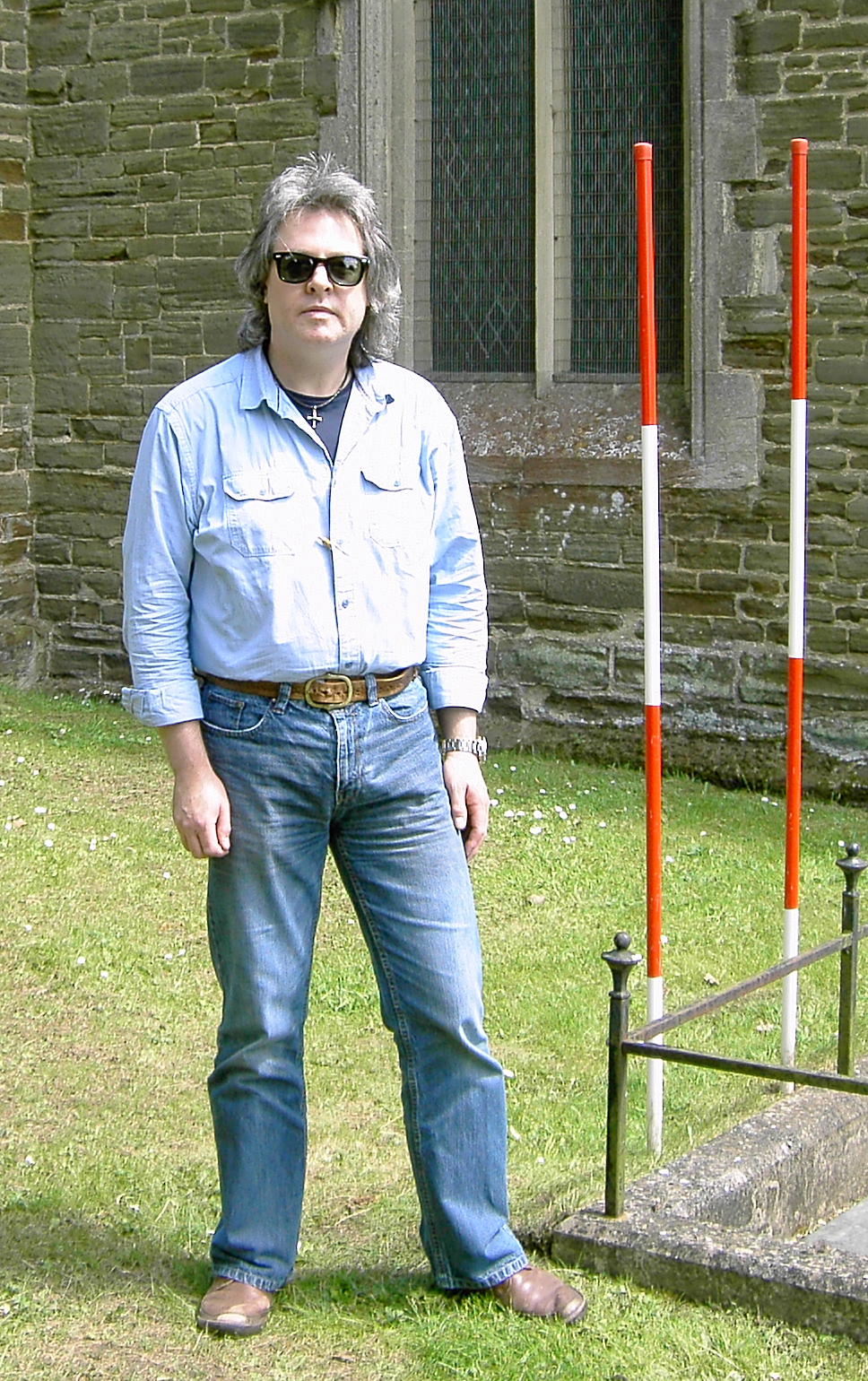
Myself back in 2014.
Following a similar path (though in a different era), I worked in Signals Intelligence (SIGINT) research during the end part of the Cold War. I was dedicated to digging into the patterns, connections, and anomalies that transform raw data into meaningful insight. That passion to look closer, think differently, and question the obvious has been my professional compass ever since.
In the post-Cold War period, I worked in a number of roles that spanned both the electronics industry and academia (specifically climate physics). These roles centred on signal processing and data analysis. I would argue that the best overall summary of my work during those years is scientific computing.
Over the past twenty years, I have gradually moved away from strictly scientific computing roles and transitioned into open source investigations. My focus here is geared towards real-world scenarios, and not the cyber OSINT aspects of investigations. I feel this transition represents a modified way of coming full circle in my professional life.
I am drawn to challenging projects that begin with only a handful of clues, and then require a systematic, scientific, and intuitive approach to piece together what happened and why. Intelligence is much like attempting a jigsaw puzzle when you only have about twenty-five percent (or less) of the pieces!
Open Source Intelligence (OSINT) is the practice of using publicly available information to answer questions and solve problems. It’s not about spying; it’s about systematically collecting and interpreting data from a wide range of open sources. Think of it as detective work powered entirely by freely accessible information.
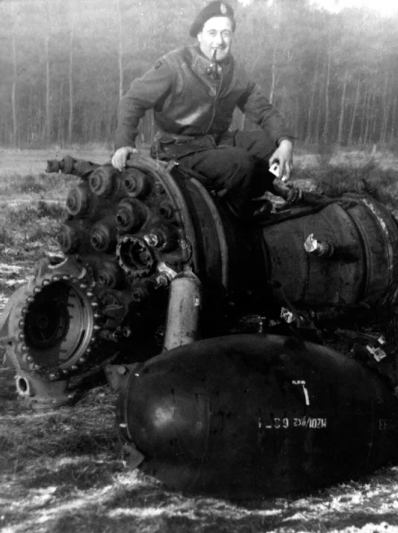
Dad sitting on the rocket motor of a Nazi V2 that failed on launch, somewhere in Belgium 1944/45.
For me, Intelligence, is not just a discipline, it’s a way of looking at the world – “Investigation is a mindset”. Every problem, mystery, or anomaly invites the same core questions: Who? What? Where? When? Why? How? I have always believed that genuine breakthroughs happen when you are willing to challenge assumptions and view things from a different angle.
I work directly from my home in Maulden, Bedfordshire, England.
Chris

Page updated: Thursday, November 19, 2026.